Special Animal

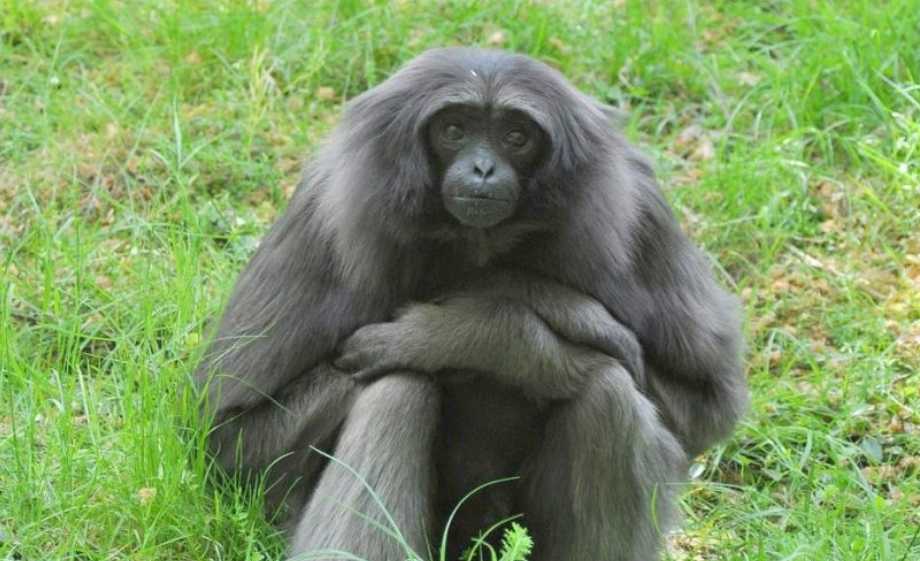
The Grey Gibbon: A Primate with an Expressive Face of Innocence and Subtle Sorrow

In the lush rainforests of Southeast Asia, the grey gibbon (Hylobates moloch) stands out not just for its agile brachiation but for its remarkably human-like facial expressions. With large, soulful eyes and a permanent expression that blends innocence with a hint of melancholy, this arboreal primate has captivated observers, sparking curiosity about the emotions behind its unique countenance.

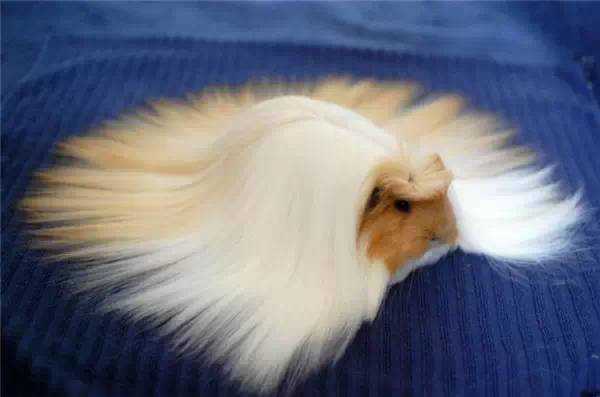
The Long-Haired Guinea Pig: A Fluffy Companion with a Rich Historical Background

Native to the Andes Mountains of South America, the long-haired guinea pig, often known as the "Peruvian guinea pig" or "Sheltie," has captivated pet enthusiasts worldwide with its flowing, silky fur and gentle demeanor. Descended from wild cavies domesticated by the Incas over 3,000 years ago, these rodents blend practical utility with ornamental appeal, standing out as both charming companions and living links to ancient Andean culture.

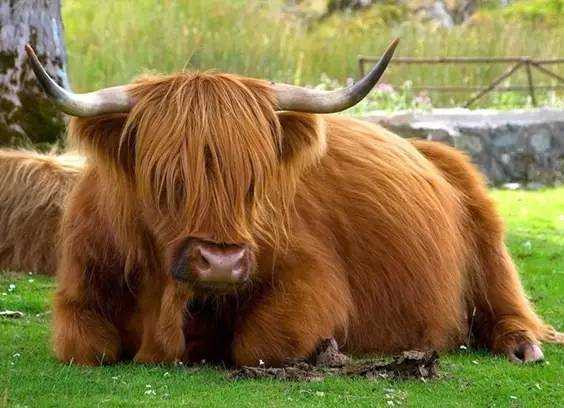
Miniature Highland Cattle: The Adorable 'Fluffy Cows' with Trendsetting Bangs

Native to the Scottish Highlands, miniature Highland cattle have skyrocketed to fame for their shaggy, over-the-eye bangs and plush, reddish-brown coats, earning them nicknames like "fluffy cows" or "nature’s hipsters." These pint-sized bovines, bred from their larger Scottish ancestors, stand just 80–100 cm at the shoulder, blending rustic hardiness with undeniable cuteness.

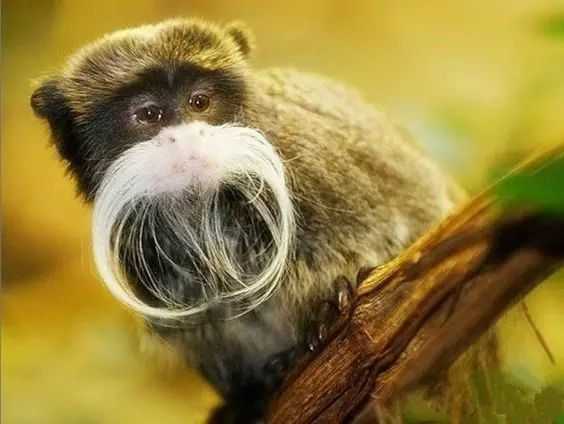
The Emperor Tamarin: A Regal Primate with a Distinctive Handlebar Mustache

Native to the rainforests of the Amazon Basin in South America, the emperor tamarin (Saguinus imperator) has earned its name from its striking facial feature: a long, white mustache that droops elegantly over its chin, resembling the grandeur of a royal portrait. This small primate, found in Brazil, Peru, and Bolivia, captivates researchers and nature enthusiasts with its unique appearance and social behavior in the dense forest canopy.

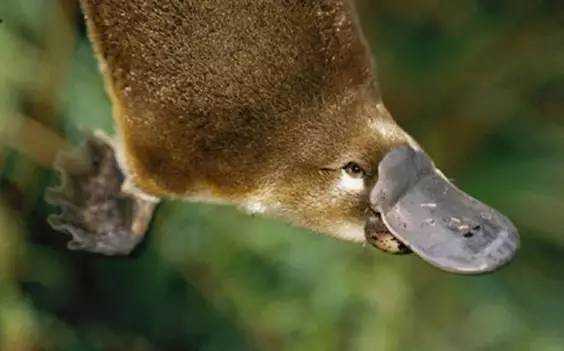
The Platypus: Australia’s Bizarre 'Duck-Billed' Mammal, a Living Evolutionary Enigma

Native to the freshwater rivers of eastern Australia, the platypus (Ornithorhynchus anatinus) stands as one of the world’s most extraordinary creatures—an odd blend of mammalian, reptilian, and avian traits that baffled scientists when first discovered. Often called a "living fossil," this semiaquatic mammal lays eggs, produces milk, and sports a duck-like bill, making it a unique representative of the ancient monotreme order.

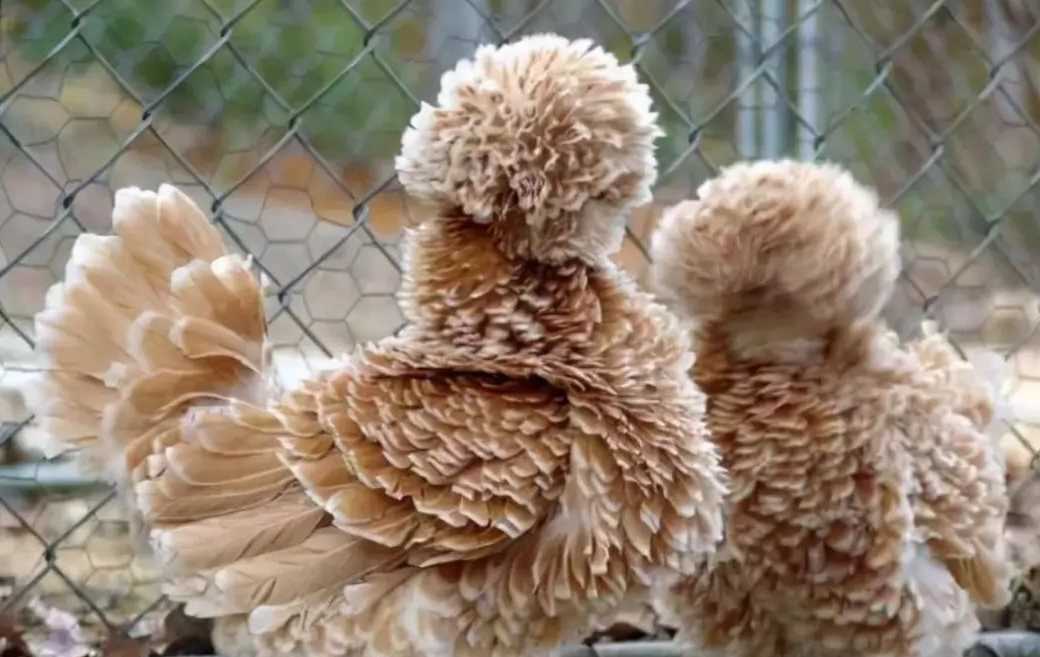
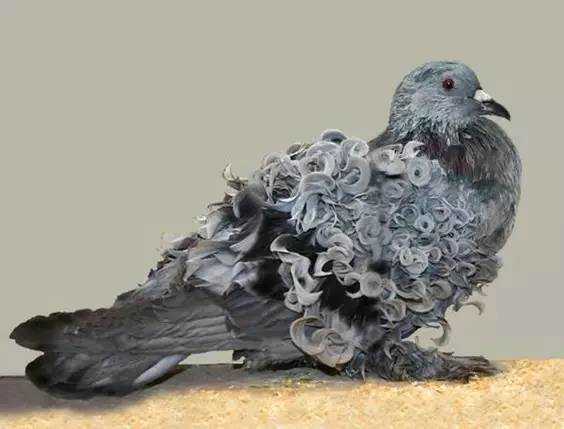
The Frilled Pigeon: A Graceful Avian Ornament with Exquisite Feather Ruffles

The frilled pigeon, also known as the "ruffed pigeon," is a captivating domesticated breed renowned for its most distinctive feature—a spectacular collar of curly feathers encircling its neck, resembling an elegant ruffled lace collar. Originating from selective breeding practices, this pigeon variety blends ornamental beauty with gentle demeanor, standing out in avian collections and pigeon shows worldwide.

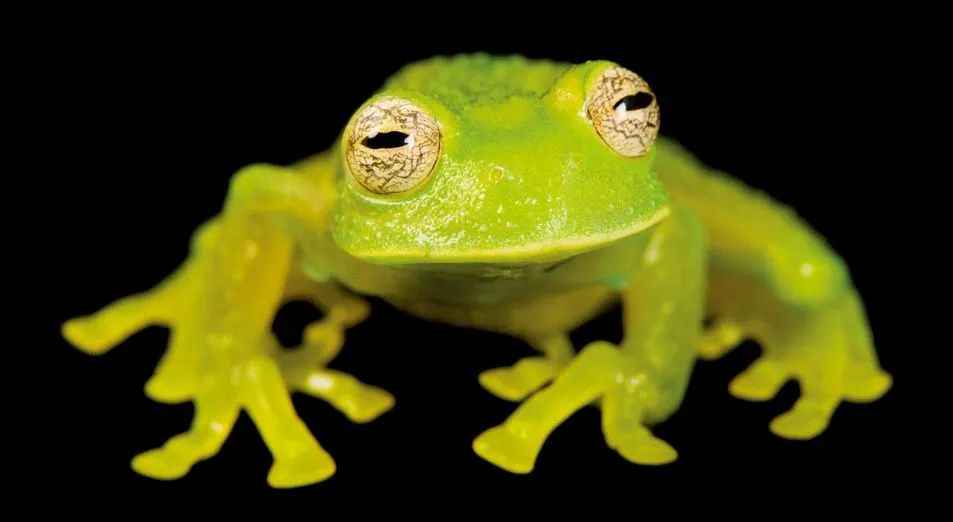
Scientists Warn: 'Living Crystal' Buckley's Glass Frog Faces Extinction in Amazon Rainforest

Deep in the mist-shrouded cloud forests of the Andes, a frog with a body as transparent as glass teeters on the brink of crisis. The Buckley's glass frog (Centrolene buckleyi) is renowned for its translucent abdomen, where its beating heart, digestive system, and bones are visible—a natural "living dissection." However, the International Union for Conservation of Nature (IUCN) has classified this species as Vulnerable, with wild populations collapsing due to habitat destruction and illegal trade.

The Lion's Mane Jellyfish: The Ocean's Gigantic, Frilly Predator of the Cold Depths

The lion's mane jellyfish (Cyanea capillata) is a majestic and imposing creature, renowned as one of the largest jellyfish species in the world. Found in cold, boreal waters of the Arctic, North Atlantic, and North Pacific oceans, its name stems from its striking appearance—long, flowing tentacles resembling a lion's mane, which give it both beauty and a fearsome reputation as a predator.

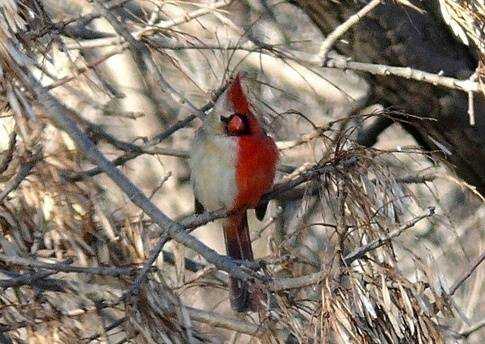
The Gynandromorphic Northern Cardinal: A Rare Avian Wonder with Split Sexual Identity

The northern cardinal (Cardinalis cardinalis) is renowned for its striking sexual dimorphism—males dazzle in vibrant red plumage, while females sport subtle brown tones. Yet occasionally, a rare phenomenon occurs: gynandromorphism, where an individual displays both male and female traits. These "split-sex" cardinals captivate scientists, offering unique insights into avian sex determination and development.

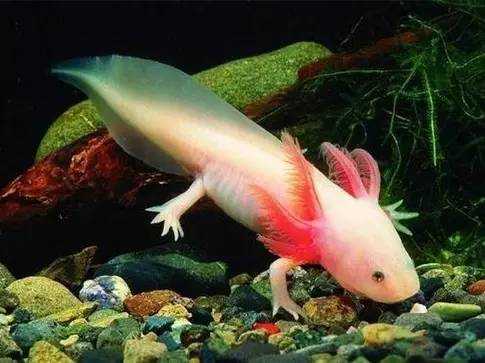
The Axolotl: Mexico’s Remarkable 'Walking Fish' and Genetic Marvel

Native to the freshwater lakes of Mexico City, the axolotl (Ambystoma mexicanum) is a salamander unlike any other—renowned for its permanent larval form, vibrant pinkish hue, and extraordinary regenerative abilities. Often called the "walking fish" due to its aquatic lifestyle, this critically endangered species has captivated scientists for centuries, serving as a key model in developmental biology.

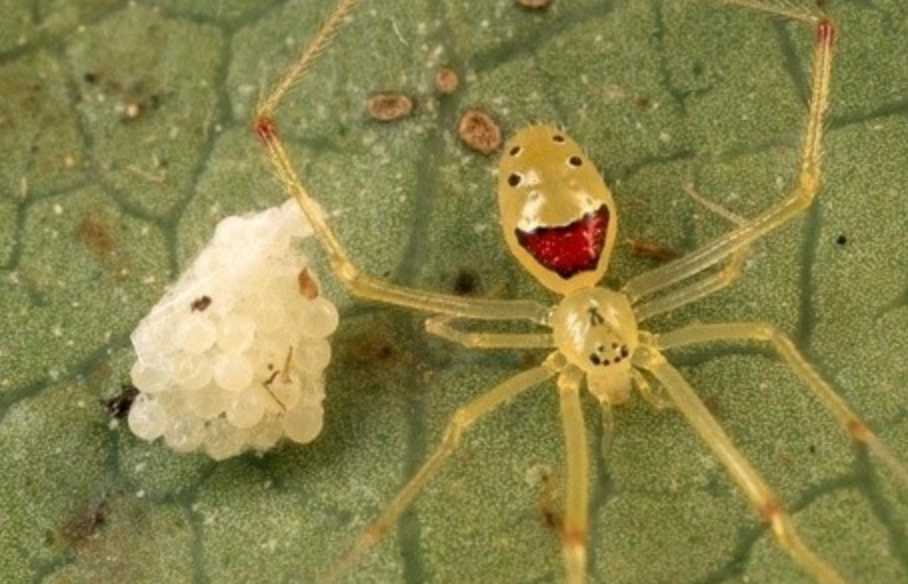
The Happy Face Spider: Hawaii’s Cryptic Arthropod with a Smiling Survival Strategy

Endemic to the rainforests of Hawaii, the happy face spider (Theridion grallator) is a tiny arachnid celebrated for its most whimsical trait—a ventral abdomen marked with patterns resembling a smiling face. Discovered in the 19th century, this cryptic spider has captivated entomologists with its unique coloration and the evolutionary mystery behind its cheerful design.

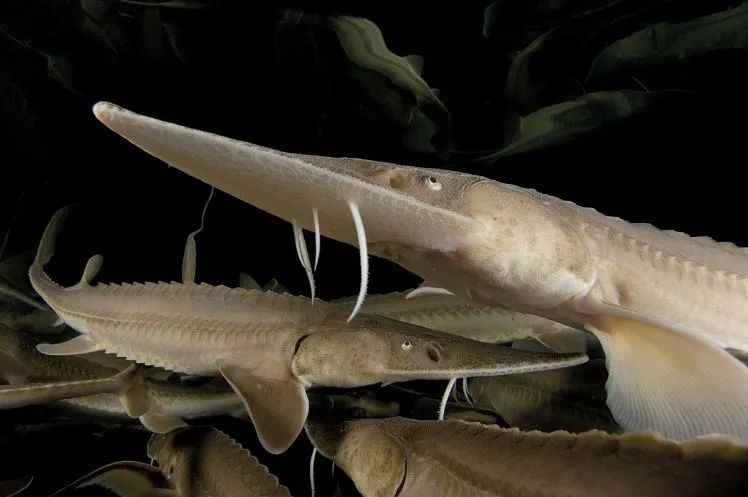
Ancient Survivor: Endangered Pallid Sturgeon, a Living Fossil from the Dinosaur Era

Beneath the waters of the Missouri River basin resides a creature that stands as a living testament to Earth's ancient past—the pallid sturgeon (Scaphirhynchus albus). Dubbed a "living fossil," this substantial fish traces its lineage back to the age of dinosaurs, persisting through tens of millions of years of geological shifts and biological evolution in these river systems.

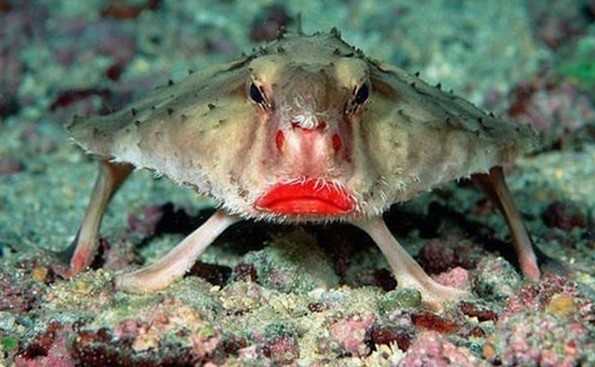
The Red-Lipped Batfish: Galápagos’ Quirky Underwater Celebrity with a Pouty Predatory Style

Native to the coastal waters of the Galápagos Islands and Peru, the red-lipped batfish (Ogcocephalus darwini) has become an internet sensation for its most striking feature—bright red, pouty lips that contrast vividly with its grayish-brown body. This unusual fish, adapted for life on the ocean floor, trades swimming for "walking" using modified pectoral fins, making it a fascinating example of evolutionary specialization.

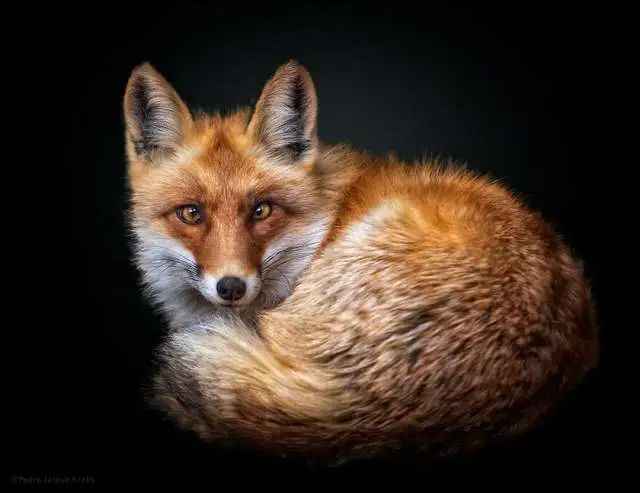
Red Fox: A Master of Adaptation in the Wild

Red foxes, scientifically known as Vulpes vulpes, are among the most widespread and adaptable carnivores on Earth, thriving across diverse habitats from the frozen tundras of the Arctic to the bustling outskirts of urban centers. Their iconic rusty-red coat, white underbelly, and bushy tail—often tipped with white—make them easily distinguishable, while their pointed ears and sharp snouts reflect their keen senses, critical for survival.

Pages