Sea Animals

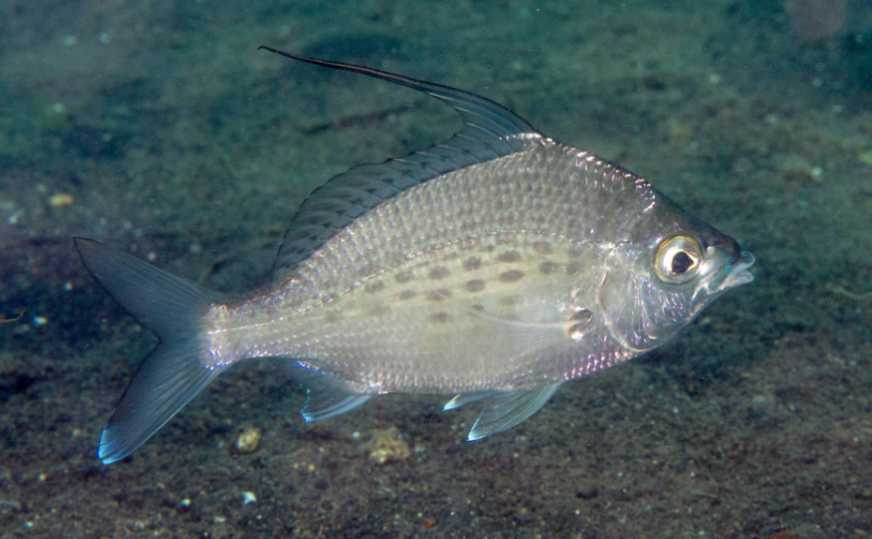
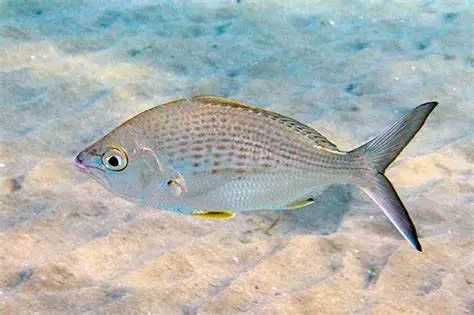
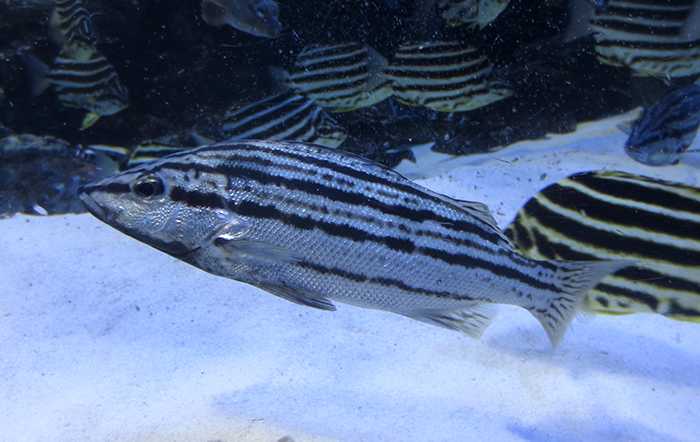
Gerres filamentosus: The Longspine Mojarra of Coastal Waters

Gerres filamentosus, commonly known as the longspine mojarra or threadfin jewelfish, is an elegant species within the Gerreidae family, inhabiting the warm, shallow waters of the Indo-Pacific region. Named for its elongated dorsal fin spines and trailing filamentous rays, this fish is characterized by a sleek, laterally compressed body with a silvery-white hue, making it a striking presence in coastal ecosystems.

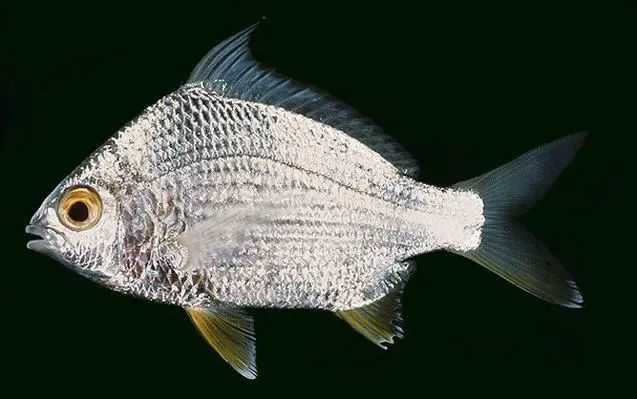
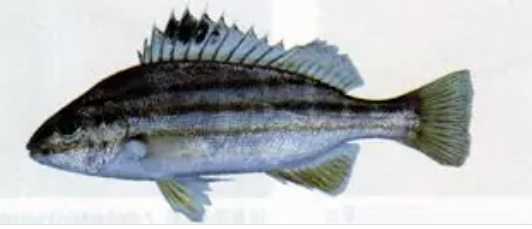
Gerres longirostris: The Long-Snouted Mojarra of Tropical Shores

Gerres longirostris, commonly known as the long-snouted mojarra or longnose jewelfish, is a distinctive species within the Gerreidae family, belonging to the order Perciformes. Inhabiting the warm, shallow waters of the Indo-Pacific region, this fish is characterized by its elongated snout and streamlined body, making it a unique and ecologically significant inhabitant of coastal and estuarine ecosystems.

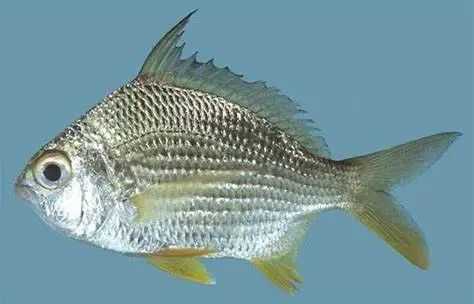
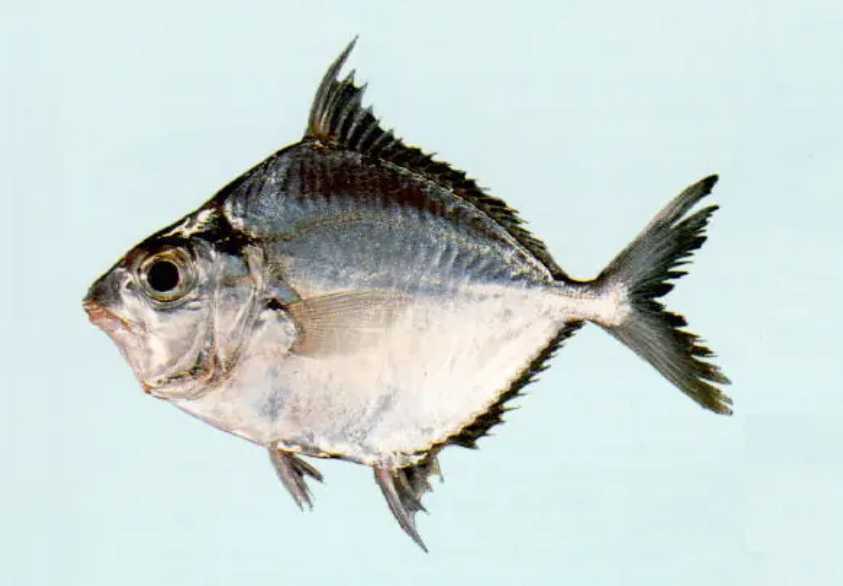
Parargyrops microstoma: The Small-Mouthed Mojarra of Shallow Seas

Parargyrops microstoma, a lesser-known yet ecologically significant species within the Gerreidae family, inhabits the warm coastal waters of the Indo-Pacific region. Named for its diminutive mouth, this fish is characterized by a sleek, laterally compressed body with a silvery-white hue, making it a subtle but vital component of shallow marine and estuarine ecosystems.

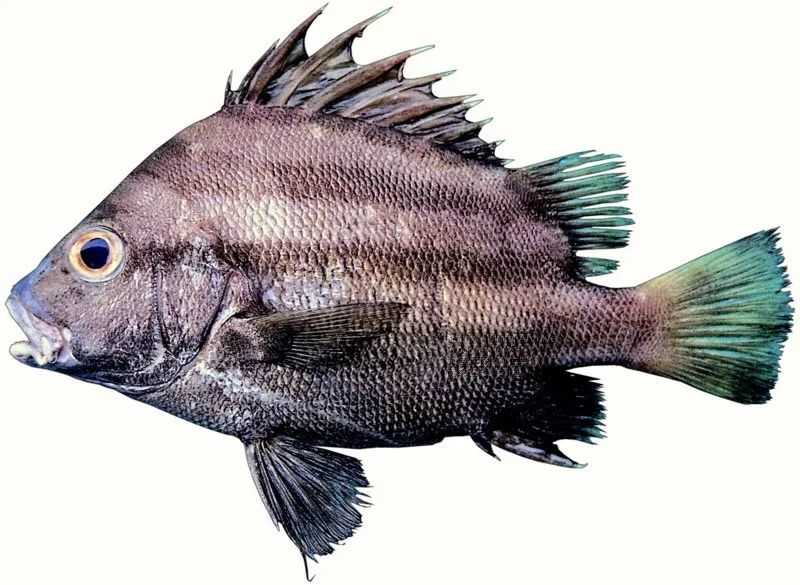
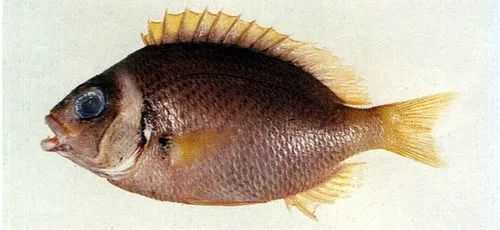
Scolopsis vosmeri: The Vosmer’s monocle bream of Coral Reefs

Scolopsis vosmeri, commonly known as Vosmer’s monocle bream, is a vibrant species belonging to the Scolopsidae family, inhabiting the warm tropical waters of the Indo-Pacific region. Renowned for its striking coloration and unique ecological role, this fish is characterized by a laterally compressed body with a bold reddish-orange hue, adorned with intricate blue or purple markings and a prominent black spot near the base of the caudal fin, which resembles an "eyespot" to deter predators.

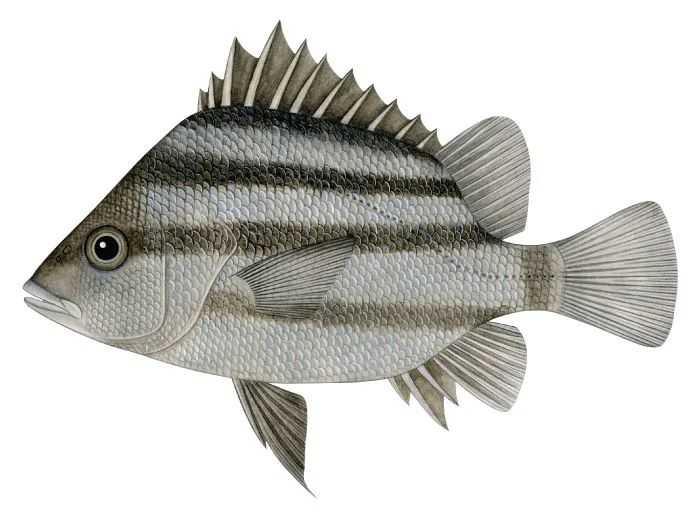
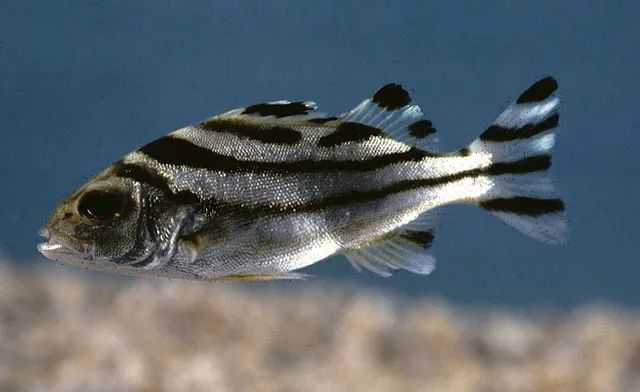
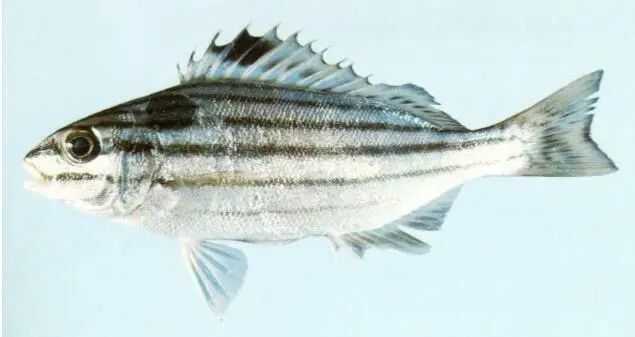
Pelates quadrilineatus: The Four-Banded Terapon of Tropical Waters

Pelates quadrilineatus, commonly known as the four-banded terapon, is a dynamic species within the Terapontidae family, thriving in the warm coastal and estuarine waters of the Indo-Pacific region. Renowned for its distinct markings and adaptability, this fish is characterized by a streamlined, laterally compressed body with a silvery base color, adorned with four prominent dark horizontal bands that run the length of its flanks, creating a striking contrast against its vibrant hue.

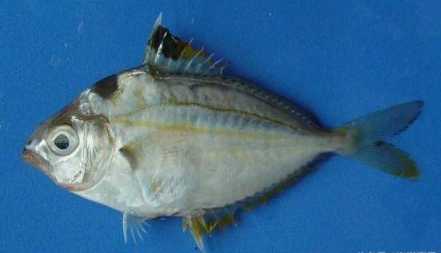
Equulites rivulatus: The Collared Ponyfish of Tropical Shores

Equulites rivulatus, commonly known as the collared ponyfish or neck-banded ponyfish, is a small, agile species within the Leiognathidae family, inhabiting the warm coastal waters of the Indo-Pacific region. Recognized by its distinctive neck band and streamlined form, this fish is a notable member of shallow marine and estuarine ecosystems, celebrated for its unique appearance and ecological role.

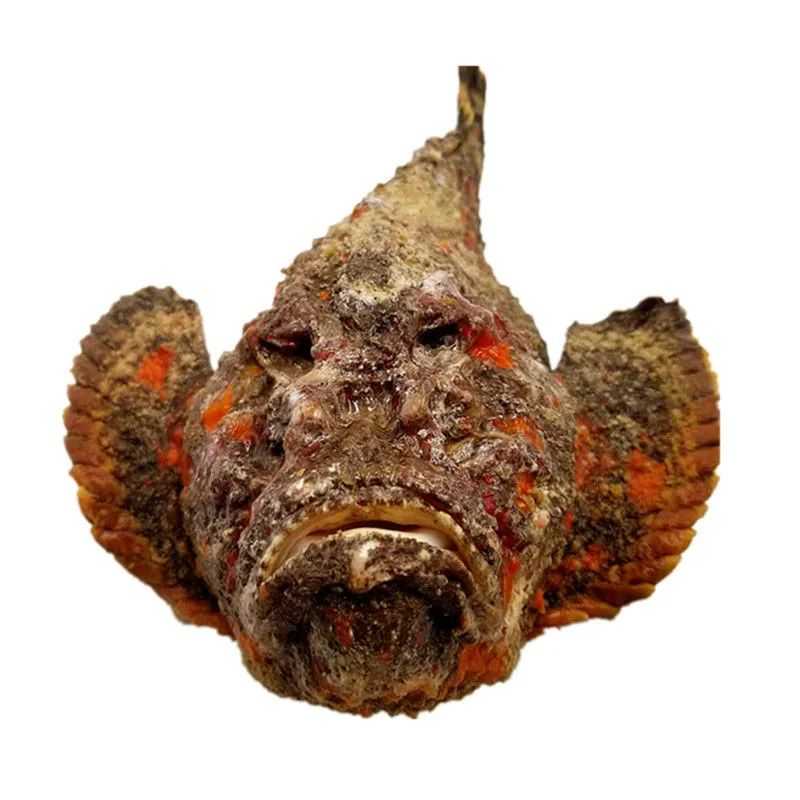
Venomous Predators of the Seas: The Stonefish and the Lionfish

Among the ocean’s most formidable and venomous inhabitants, the stonefish (Synanceia verrucosa) and the lionfish (Pterois volitans), often referred to as the "lady fish" and "gentleman fish" respectively, pose significant threats to marine life and humans alike. These species, renowned for their potent toxins and striking appearances, dominate coastal ecosystems with their lethal defensive mechanisms.

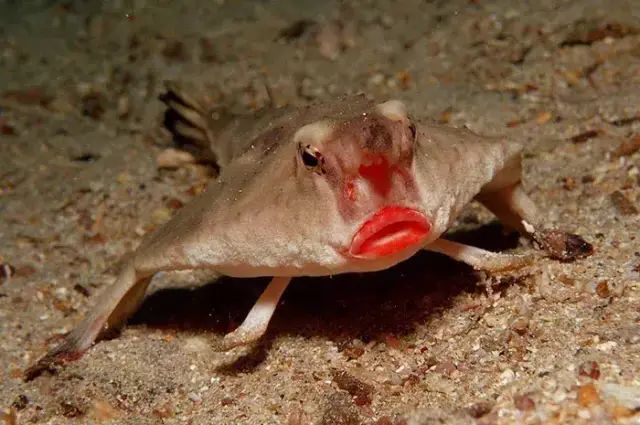
The Galapagos Walking Fish: A Species That 'Walks' on the Ocean Floor Instead of Swimming

Discovered in the diverse marine ecosystems of the Galapagos Islands, a unique fish species has astonished scientists with its unconventional locomotion: rather than swimming, it "walks" along the ocean floor using modified pectoral fins. This extraordinary creature, known as the red-lipped batfish (Ogcocephalus darwini), exemplifies the bizarre adaptations that evolve in isolated environments like the Galapagos.

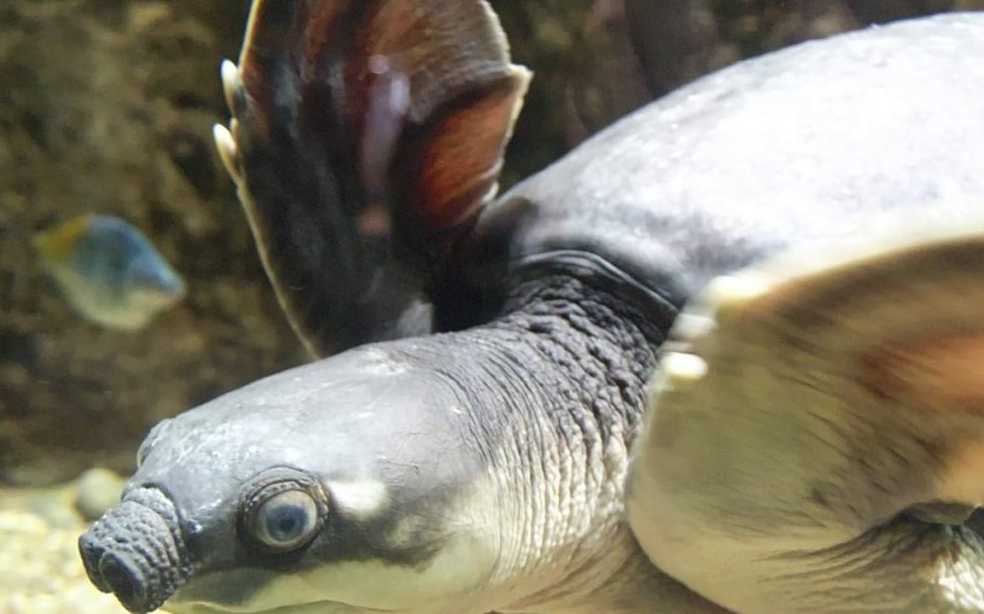
The Pig-Nosed Turtle: A Unique Reptile Named for Its Snout, Easy to Keep but Prone to Illness

Native to freshwater rivers and lakes in northern Australia and New Guinea, the pig-nosed turtle (Carettochelys insculpta), aptly named for its pig-like snout, stands out among aquatic turtles for its distinctive appearance and paradoxical care requirements. While often praised as a manageable pet for reptile enthusiasts, this species also has a reputation for susceptibility to health issues, making it a fascinating yet challenging creature to maintain.

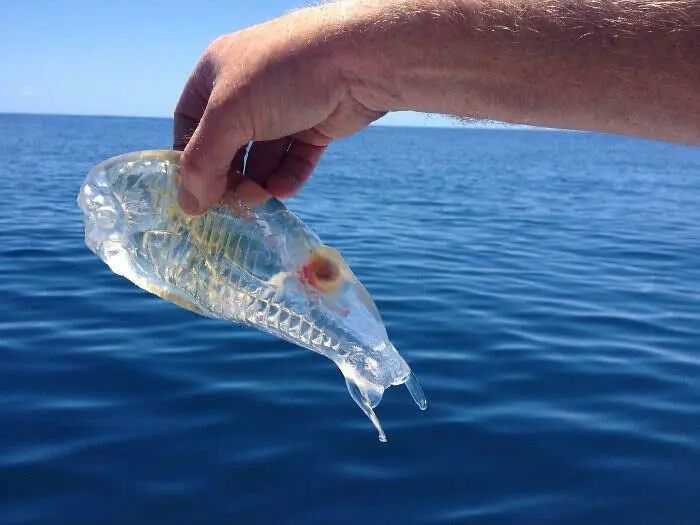
The Transparent "Sea Salp": Gelatinous Marvel Thriving in Frigid Southern Oceans

Often called the "transparent shrimp," salps are gelatinous marine tunicates renowned for their glass-like bodies, though they are not true shrimp but distant relatives of vertebrates. Primarily inhabiting cold, nutrient-rich waters, these filter feeders dominate the Southern Ocean around Antarctica, forming massive swarms that play a crucial role in global carbon cycling.

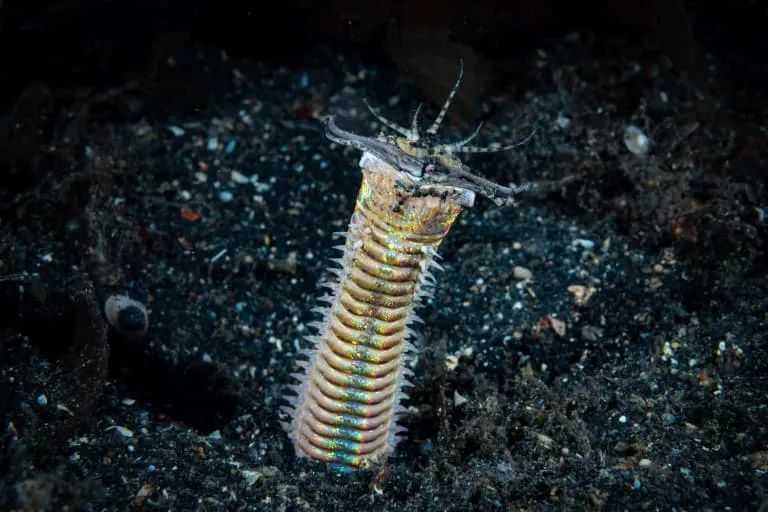
The Bobbit Worm: Nature’s Terrifying Underwater Predator Straight Out of a Sci-Fi Movie

Often described as the stuff of nightmares, the Bobbit worm (Eunice aphroditois) is a marine polychaete worm that has earned its reputation as one of the ocean’s most otherworldly creatures. With a body that can stretch up to 3 meters in length, this subterranean predator lurks in tropical and subtropical seafloors, blending scientific fascination with sheer terror.

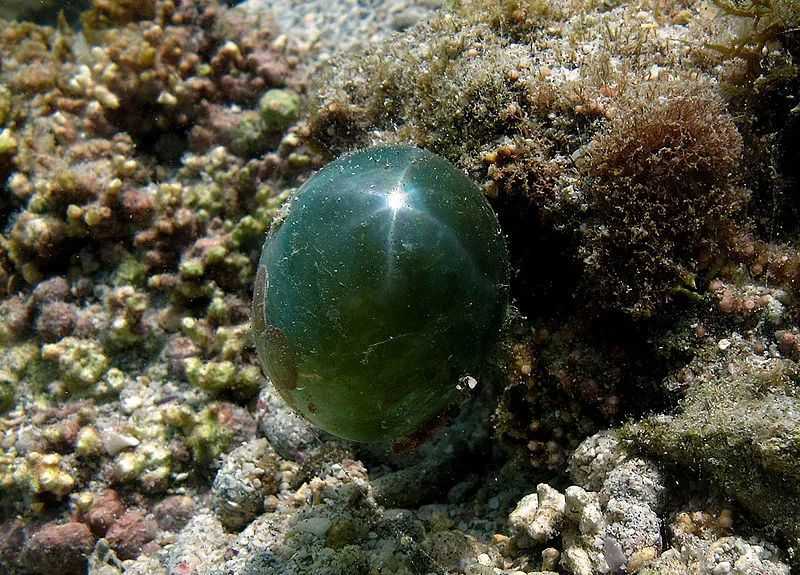
The Bubble Alga: Nature’s Giant Single-Celled Marvel Floating in Tropical Seas

Known as the "bubble alga" or "sailor’s eyeball," Valonia ventricosa is a remarkable marine alga and one of the largest single-celled organisms on Earth. Thriving in tropical and subtropical oceans, this spherical green alga has fascinated biologists for its unique structure—each "bubble" is a single cell that can grow up to 5 centimeters in diameter, defying conventional notions of cellular size.

Pages