Sea Animals

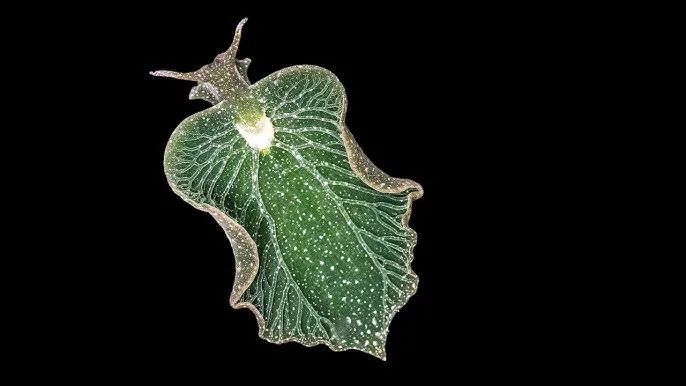
The Leaf Sheep Slug: Nature’s Photosynthetic Marvel That 'Steals' Chloroplasts to Survive

The leaf sheep slug (Elysia chlorotica), a marine gastropod, defies biological norms by hijacking chloroplasts from algae and using them for photosynthesis—allowing it to go 9 to 10 months without eating. This extraordinary ability, known as kleptoplasty, has made it a celebrity in the scientific world, blurring the line between animal and plant.
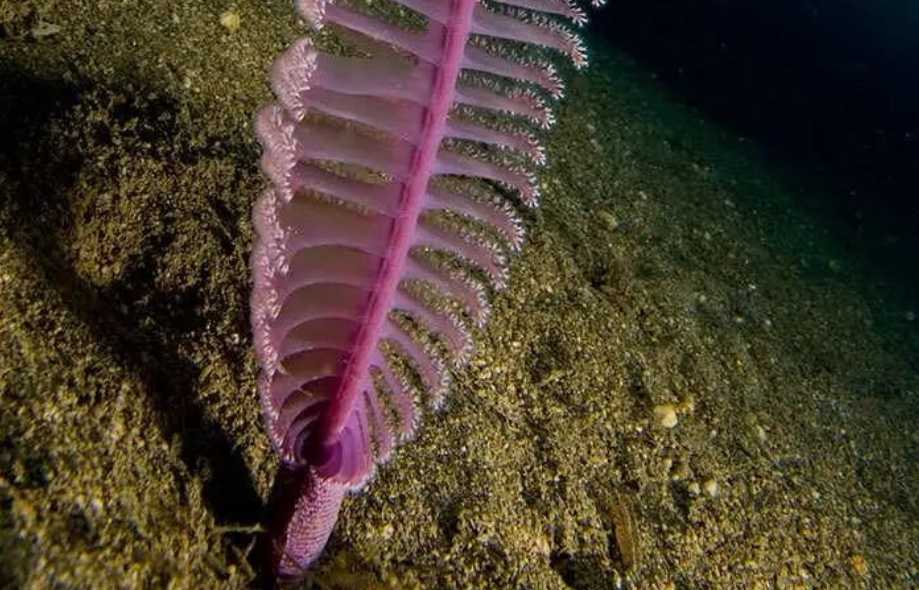
The Sea Pen: Ocean’s Feathery Colonial Wonder Filtering Plankton from the Depths

Recognized for its striking resemblance to a quill pen, the sea pen is a colonial marine invertebrate that thrives in shallow to deep ocean waters. Composed of hundreds to thousands of polyps, these colonial organisms form feather-like structures, using their unique anatomy to capture plankton and thrive in diverse marine environments.

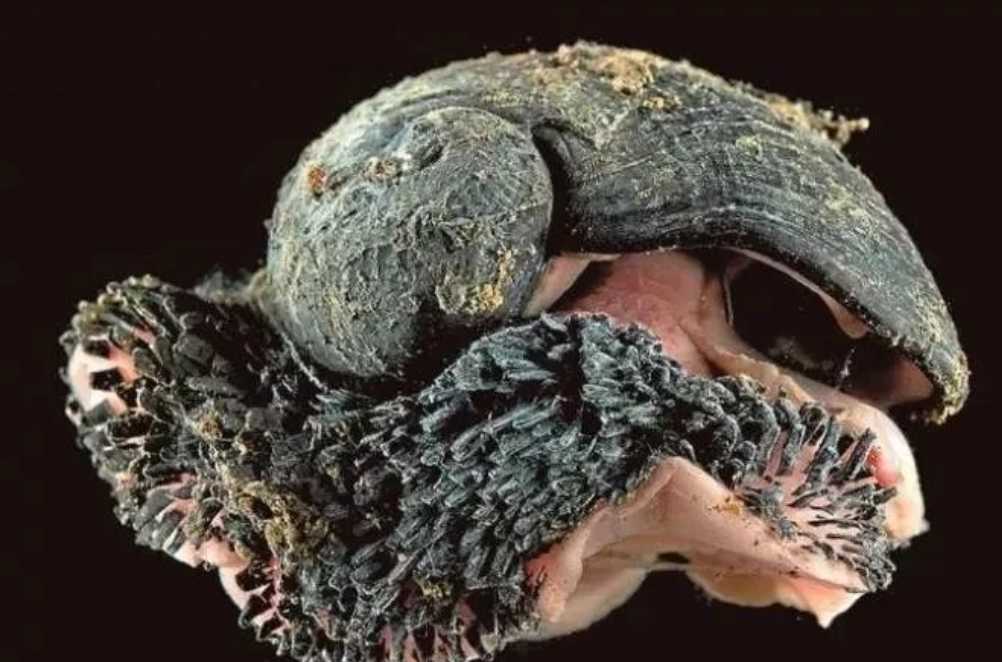
The Armor-Plated Scaly-Foot Snail: Deep-Sea Marvel of the Indian Ocean

Living near hydrothermal vents in the Indian Ocean, the scaly-foot snail (Chrysomallon squamiferum) defies survival norms with its iron-clad armor and ability to withstand 350°C temperatures. This extraordinary gastropod, discovered in 2001 near the Kairei hydrothermal field, boasts a three-layered shell infused with iron sulfides, making it one of the few animals on Earth to incorporate metal into its exoskeleton. Its survival hinges on a tiny habitat—just two football fields in size—where it thrives in a world devoid of sunlight, relying on bacterial symbiosis for nutrition.

Pages